As a sunflower oil processor looking to expand globally, one critical decision shapes both your product quality and market positioning: choosing between cold press and hot press extraction methods. The technology you select directly impacts nutritional profiles, production costs, and ultimately, your competitiveness in target markets. Let's explore how these two processes differ and which aligns best with your business goals.
The fundamental distinction between cold and hot pressing lies in temperature control during extraction:
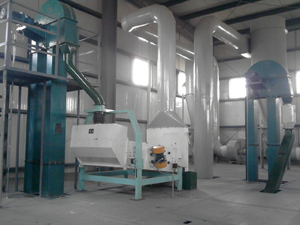
For health-conscious markets, nutrient retention is paramount. Cold pressed sunflower oil typically contains:

Your choice between cold and hot press should align with your target market's priorities:
Premium health food sectors in North America, Western Europe, and affluent Asian markets value the nutritional benefits. These consumers are typically willing to pay 30-40% price premiums for cold pressed products marketed as "natural," "unrefined," or "preservative-free."
Industrial food manufacturers, large-scale foodservice operations, and price-sensitive markets prioritize cost-efficiency and high-volume production. Hot pressed oil works well for frying applications, processed foods, and blending purposes where natural flavor is less critical.
Success with either process depends on proper原料预处理 (raw material preparation):
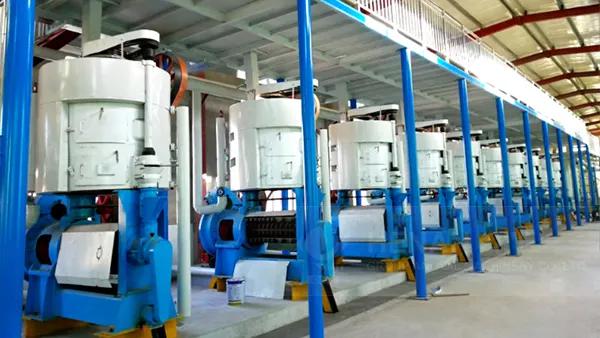
Why choose between cold and hot press when you can have both? 企鹅集团 (QIE Group) offers industrial-grade dual-mode oil presses that seamlessly switch between processing methods with minimal downtime. This versatility allows you to:
Maximize Profit Margins
Produce premium cold pressed oil for high-value markets while meeting volume demands with hot pressing
Reduce Capital Expenditure
Single equipment investment serving multiple product lines
Adapt to Market Changes
Quickly adjust production to shifting consumer preferences or market opportunities
Download our comprehensive guide "Maximizing Export Profits Through Flexible Oil Extraction" and discover how 企鹅集团 dual-mode technology can transform your operations.
Get Your Free Technology GuideEven with the right equipment, processors face occasional issues. Here's how to address typical problems:
Every market presents unique opportunities and challenges. Have you found particular success with one method in specific export regions? Share your experiences in the comments below – we'd love to hear about your journey in navigating global sunflower oil markets.
 168
|
168
|
 Sunflower oil production
Small - scale grain and oil processing
Mechanical pressing equipment
Raw material batch management
Pressing cycle optimization
497
|
Industrial oil filtration technology
Tar removal efficiency
Food - grade stainless - steel filter
Fully automatic oil purification equipment
ISO industrial lubrication standards
367
|
sunflower oil press machine
small scale oil extraction
batch management in oil production
press cycle optimization
cold press vs hot press
320
|
Sunflower oil press
Household oil pressing equipment
Commercial small - scale oil press
Oil press structural design
Sunflower oil processing technology
395
|
Small sunflower oil press
Oil yield improvement
Equipment maintenance
Operating process
Green edible oil
Sunflower oil production
Small - scale grain and oil processing
Mechanical pressing equipment
Raw material batch management
Pressing cycle optimization
497
|
Industrial oil filtration technology
Tar removal efficiency
Food - grade stainless - steel filter
Fully automatic oil purification equipment
ISO industrial lubrication standards
367
|
sunflower oil press machine
small scale oil extraction
batch management in oil production
press cycle optimization
cold press vs hot press
320
|
Sunflower oil press
Household oil pressing equipment
Commercial small - scale oil press
Oil press structural design
Sunflower oil processing technology
395
|
Small sunflower oil press
Oil yield improvement
Equipment maintenance
Operating process
Green edible oil

.jpg?x-oss-process=image/resize,h_800,m_lfit/format,webp)






.png?x-oss-process=image/resize,h_100,m_lfit/format,webp)
.png?x-oss-process=image/resize,h_100,m_lfit/format,webp)
.png?x-oss-process=image/resize,h_100,m_lfit/format,webp)