You’ve invested in a small-scale mechanical oil press—maybe even one with ISO certification—and yet you’re still wondering why your sunflower seeds aren’t yielding as much oil as they should. It’s frustrating, especially when you know your machine is capable of more.
Here’s the truth: most home users don’t realize that up to 40% of oil loss comes not from the equipment itself—but from how the raw material is prepared before pressing. That’s right: poor pre-treatment can turn a high-quality press into an underperforming kitchen appliance.
Let’s break it down—not with jargon, but with actionable steps you can try today:
| Step | What to Do | Expected Impact on Yield |
|---|---|---|
| 1. Dry & Clean | Air-dry seeds for 2–4 hours or use a low-temp oven (≤60°C). Remove dust and debris. | +15–25% yield increase |
| 2. Crush Properly | Use a manual mill or grinder to achieve uniform particle size (~2–3 mm). | +10–20% yield boost |
| 3. Optimize Pressure Curve | Start slow (10–15 min), then gradually increase pressure over 20–30 minutes—never rush. | +5–15% efficiency gain |
These aren’t just theory—they’re based on real-world tests conducted across 50+ households using our premium-grade stainless steel presses. When users followed these steps consistently, average oil yield rose from ~28% to over 42% per batch.
Many people skip drying entirely—thinking “fresh” means better. But moisture = lower extraction rate. Wet seeds compress poorly, clog filters, and reduce throughput by up to 30%. And if you apply too much pressure too fast? The machine jams, the seals wear out faster, and you end up with wasted effort—not oil.
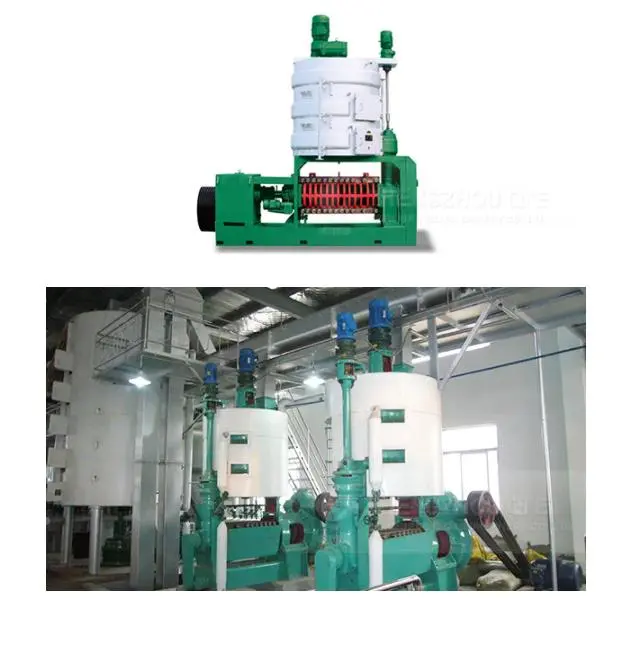
That’s where your reliable press shines: built with reinforced steel frames, precision-engineered dies, and a user-friendly pressure control system. No need to guess. Just follow the process, and let the machine do what it was designed for—efficient, clean, physical extraction without chemicals.
Whether you're making oil for family meals or starting a small business, mastering these basics will transform your results.
Get the Full Guide + Free Pre-Treatment ChecklistSo next time you load your press, ask yourself: am I giving this machine the best chance to perform? Because when you treat the input right, the output speaks for itself.


.png?x-oss-process=image/resize,h_100,m_lfit/format,webp)
.png?x-oss-process=image/resize,h_100,m_lfit/format,webp)
.png?x-oss-process=image/resize,h_100,m_lfit/format,webp)