
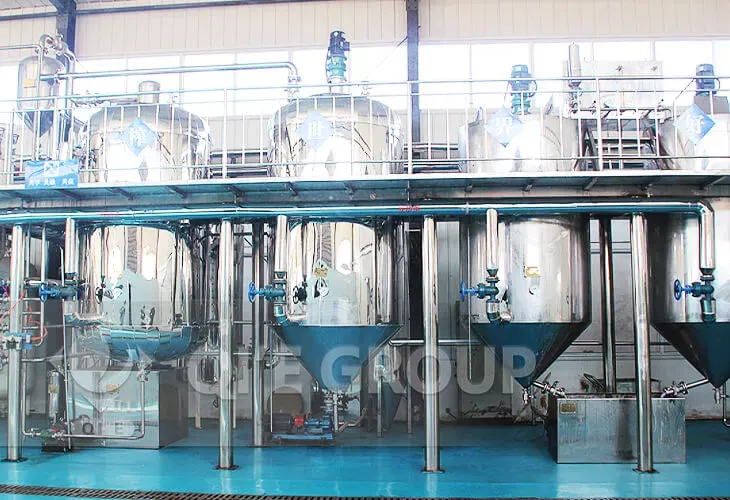
Industrial oil processing faces persistent challenges in maintaining product quality due to the presence of tar residues and various impurities. These contaminants significantly compromise the purity, stability, and safety of edible oils and cosmetic-grade raw materials. As consumer demands for higher quality and safety standards increase, industrial players must adopt advanced filtration technologies to safeguard their brand reputation and operational stability.
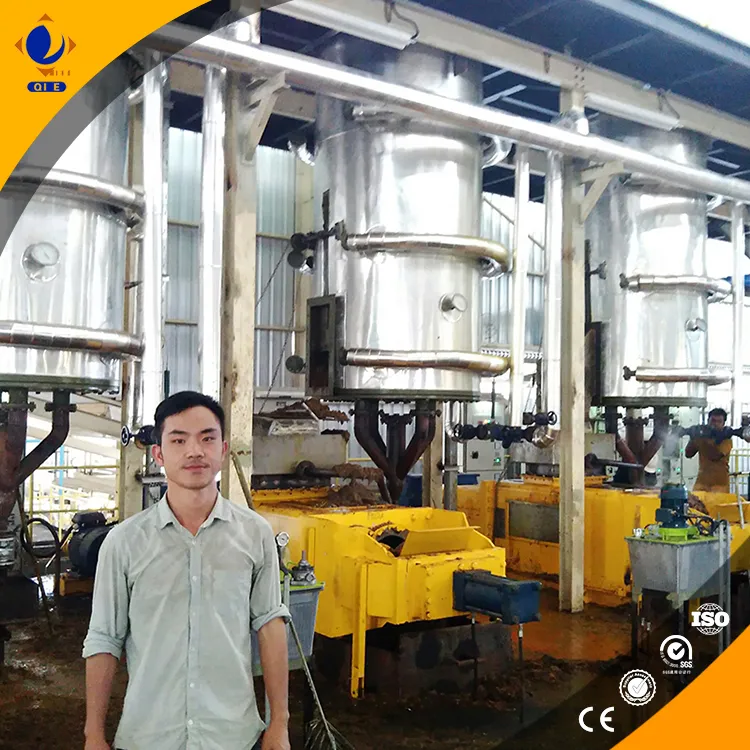
The fully automated sunflower oil filtration machine developed by QIE Group employs a sophisticated multi-stage filtration mechanism designed to efficiently eliminate tar and microscopic impurities. At the heart of this innovation lies an integrative approach combining multi-layer mesh filters, centrifugal separation, and precision microfiltration membranes.
The filtration chain begins with a coarse mesh removing sizable debris, followed by a secondary filtration phase targeting colloidal particles responsible for tar formation. The final microfiltration layer, crafted from FDA-compliant food-grade stainless steel, offers superior corrosion resistance and hygienic operation, effectively arresting trace tar compounds without compromising oil flavor or quality.
An embedded automated control system dynamically adjusts filtration parameters such as flow rate, pressure, and temperature in real-time, ensuring optimal performance aligned with varying input conditions. This closed-loop system optimizes throughput while maintaining stringent filtration standards, markedly reducing downtime and manual interventions.
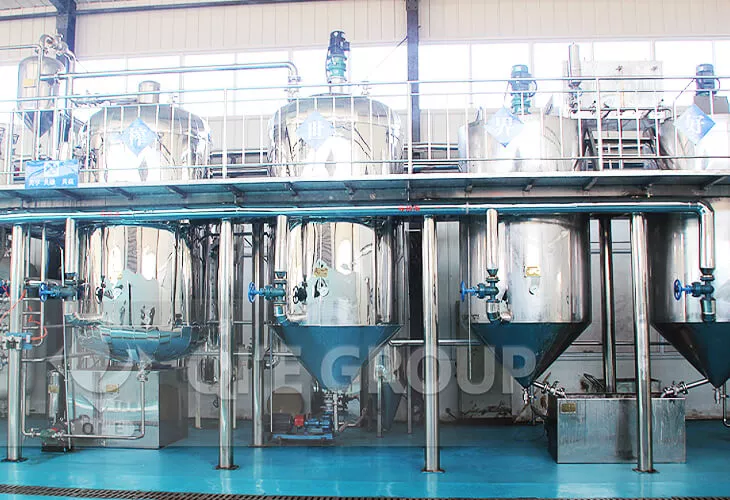
Industrial applications of oil filtration vary substantially between food-grade sunflower oil and cosmetic raw materials due to their differing purity demands and processing environments. The filtration machine’s flexibility allows precise adjustments to filtration cycle times, temperature control, and flow dynamics to meet these diverse requirements.
For food-grade oil processing, the system prioritizes eliminating oxidants and residual particulate matter to improve shelf-life and sensory qualities. In contrast, the cosmetic raw material filtration mode emphasizes maintaining molecular integrity and removing color-impacting contaminants without over-processing delicate ingredients.
Industry benchmarks such as ISO 9001:2000 certification underline the compliance framework integrated into the filtration system design, ensuring quality management and traceability throughout production cycles. This alignment with international standards fosters confidence in both regulatory adherence and sustainable operations.
Empirical data from recent deployments across food and cosmetic sectors demonstrate an average tar removal efficiency exceeding 95% and a production uptime improvement of 18% compared to traditional filtration setups. These metrics translate directly into longer shelf lives, enhanced product consistency, and lower operational costs.
This performance is enabled by the synergistic application of rugged food-grade stainless steel construction and a fully automated control platform, combining durability with precision for long-term reliability. The equipment’s modular filtration components also facilitate rapid maintenance and adaptability across production lines.
Industrial operators, quality engineers, and R&D specialists are invited to explore detailed protocols, technical specifications, and operational case studies provided in our comprehensive Sunflower Oil Filtration Technology Handbook. Our expert team welcomes you to discuss your specific filtration challenges and discover how tailored parameter tuning can optimize your production outcomes.
Learn More About Industry-Leading Sunflower Oil Filtration Solutions
 422
|
422
|
 sunflower oil production
small scale oil pressing
cold press vs hot press
oil extraction efficiency
home oil mill operations
438
|
home oil press oil extraction efficiency
oil press cleaning and maintenance
sunflower oil extraction equipment
oil press sealing inspection
home grain and oil processing skills
495
|
sunflower seed oil press tutorial
small farm oil extraction techniques
home vs commercial oil press machines
sunflower oil yield improvement
oil press maintenance guide
446
|
sunflower oil extractor
stainless steel oil press
small scale oil extraction machine
home oil press
African agricultural machinery
122
|
home sesame oil press
oil yield improvement
sesame seed processing
press maintenance
oil extraction optimization
sunflower oil production
small scale oil pressing
cold press vs hot press
oil extraction efficiency
home oil mill operations
438
|
home oil press oil extraction efficiency
oil press cleaning and maintenance
sunflower oil extraction equipment
oil press sealing inspection
home grain and oil processing skills
495
|
sunflower seed oil press tutorial
small farm oil extraction techniques
home vs commercial oil press machines
sunflower oil yield improvement
oil press maintenance guide
446
|
sunflower oil extractor
stainless steel oil press
small scale oil extraction machine
home oil press
African agricultural machinery
122
|
home sesame oil press
oil yield improvement
sesame seed processing
press maintenance
oil extraction optimization






.png?x-oss-process=image/resize,h_100,m_lfit/format,webp)
.png?x-oss-process=image/resize,h_100,m_lfit/format,webp)
.png?x-oss-process=image/resize,h_100,m_lfit/format,webp)


.jpg?x-oss-process=image/resize,h_800,m_lfit/format,webp)