
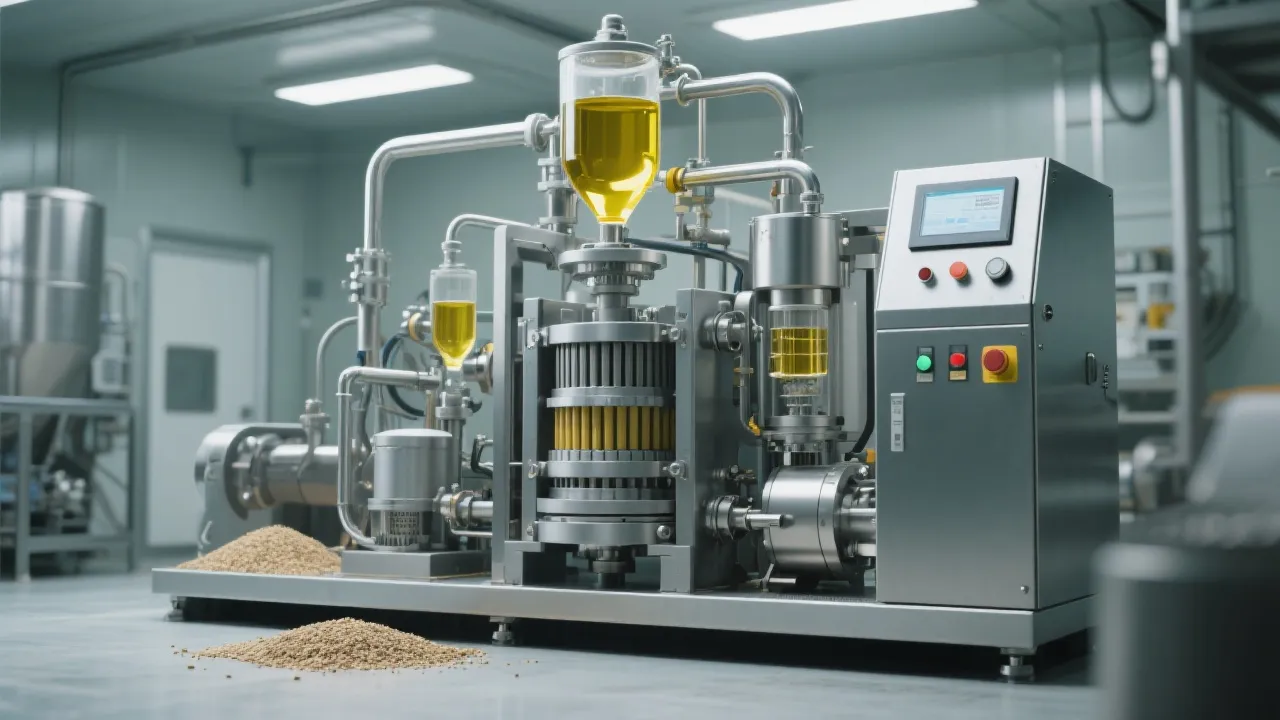
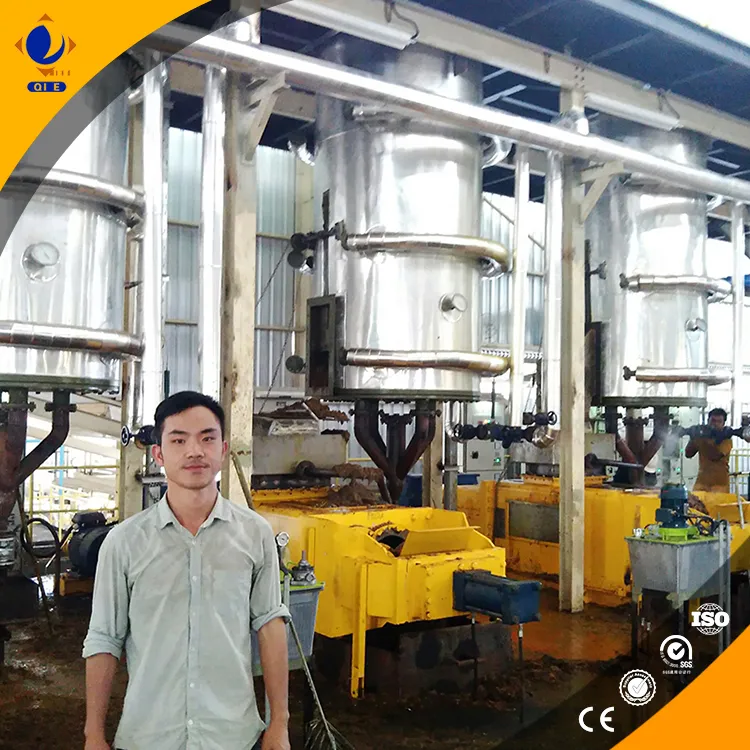
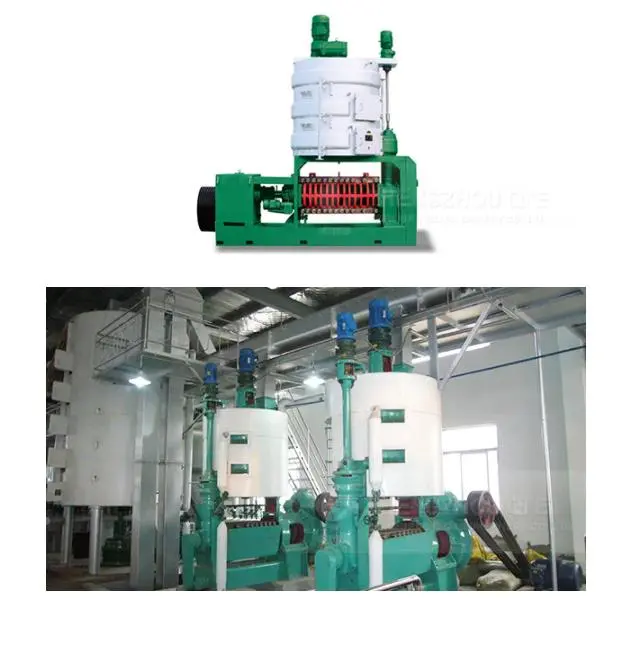
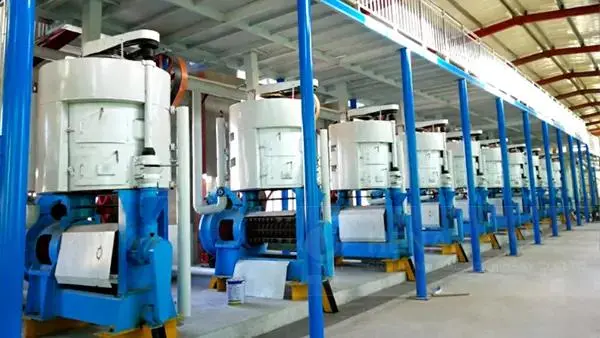
Industrial oils often face severe contamination challenges, particularly the persistent residue of tar compounds. These impurities not only compromise oil quality but also accelerate equipment wear, impacting operational efficiency and lifespan. Addressing this critical pain point, QIE Group fully automated sunflower oil filtration machine integrates advanced multi-stage filtration, food-grade stainless steel construction, and intelligent control systems to achieve exceptional filtration performance with a tar removal efficiency exceeding 98%.
The filtration system employs a synergistic mechanism combining pre-filtration, fine filtration, and adsorption stages. Pre-filtration removes larger particulates, protecting downstream components and extending the lifespan of the precision filters. The fine filtration stage utilizes ultra-fine mesh stainless steel filters that target microscopic tar residues. Finally, an adsorption mechanism traps dissolved contaminants, ensuring the oil's purity parallels that of human blood purification, where successive purification steps remove toxins without damaging essential components.
The choice of food-grade stainless steel is fundamental to corrosion resistance and compliance. Its passivation layer forms a robust shield against acidic and viscous tar-laden oils, preventing material degradation and maintaining hygienic standards required in food and cosmetic applications. This durable construction also ensures minimal maintenance downtime and sustained filtration efficacy over extended continuous operations.
The integrated control system is equipped with PID temperature regulation and real-time pressure feedback. This dynamic adjustment maintains optimal filtration parameters, preventing fouling and ensuring consistent flow rates. The system automatically initiates backflushing cycles based on pressure differentials, optimizing filter lifespan without manual intervention — a critical advantage in high-volume industrial settings.
The filtration equipment is strategically adaptable to meet specific industry demands:
Each sector benefits from customized filtration protocols and material certifications conforming to international benchmarks such as ISO 9001 and China's GB standards, bolstering compliance confidence in global supply chains.
Maintaining compliance is streamlined through adherence to established international standards. Users can assess filtration cycle appropriateness by monitoring pressure differentials and oil quality parameters. For example, an increase in pressure drop beyond 0.2 MPa signals a filter replacement or regeneration cycle. This pragmatic approach ensures uninterrupted production while optimizing operational costs.
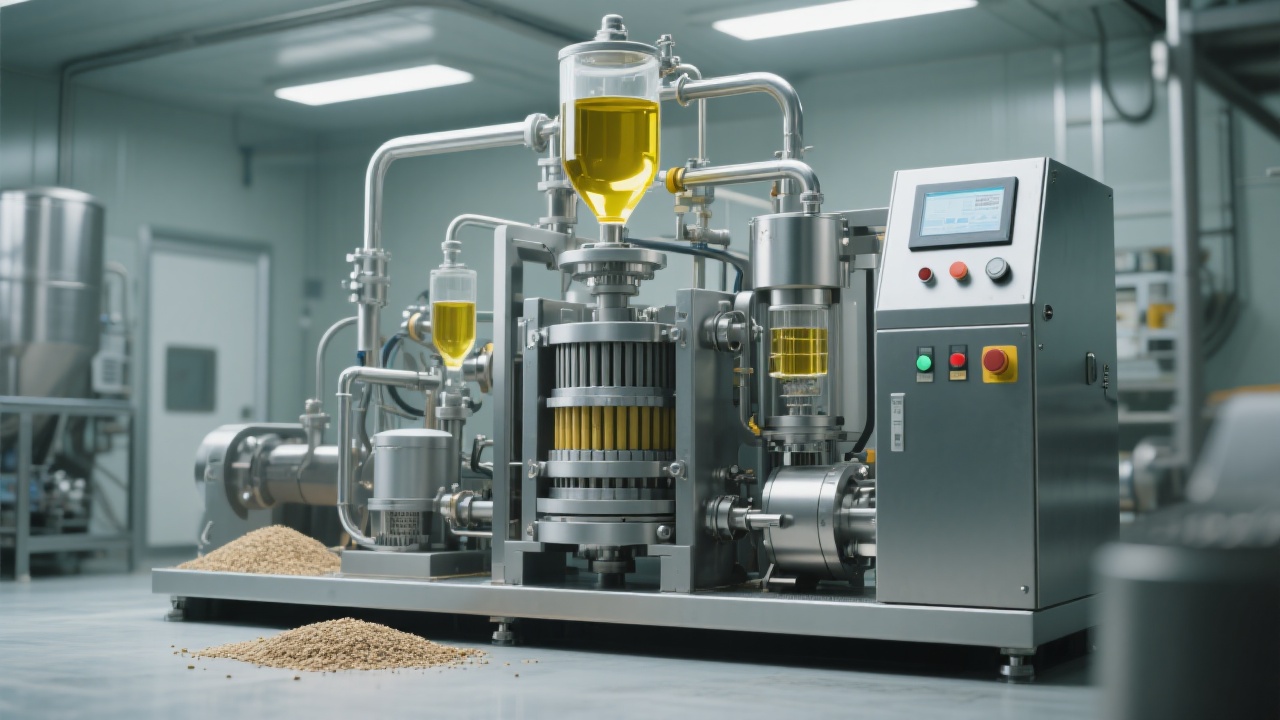
By integrating data-driven process controls with advanced material science, QIE Group fully automated filtration solutions enable manufacturers to secure cleaner, more stable, and environmentally compliant oil products, enhancing both product value and equipment longevity.
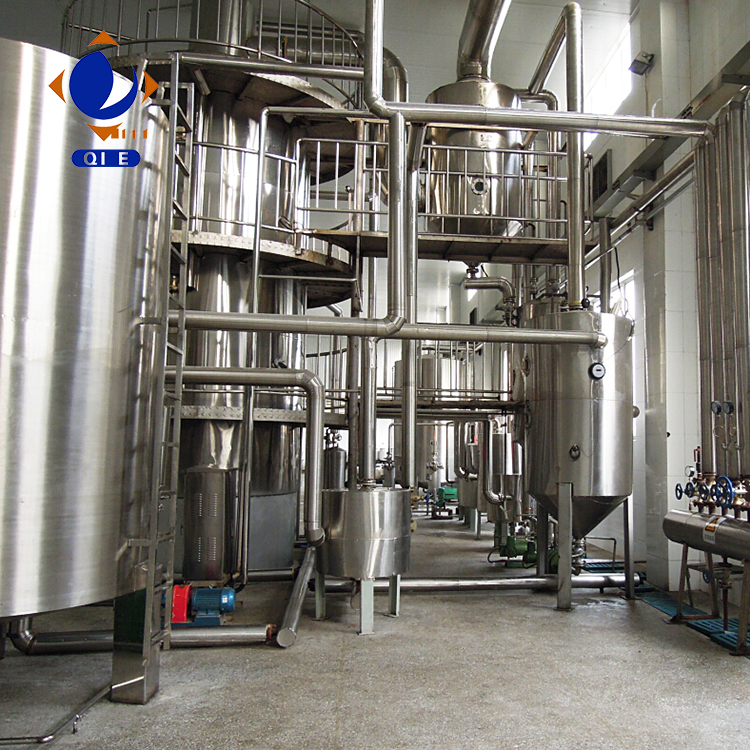
In continuous production environments spanning edible oils, cosmetic bases, and industrial lubricants, the filtration system consistently achieves tar removal rates of 98-99.5%, surpassing conventional benchmarks by more than 20%. Operators report increased uptime by 15%, alongside a measurable decline in maintenance expenses due to robust automatic cleaning cycles.
These metrics underscore the solution’s adaptability across product formulations and processing conditions, affirming its role as an indispensable asset in modern oil refining workflows.
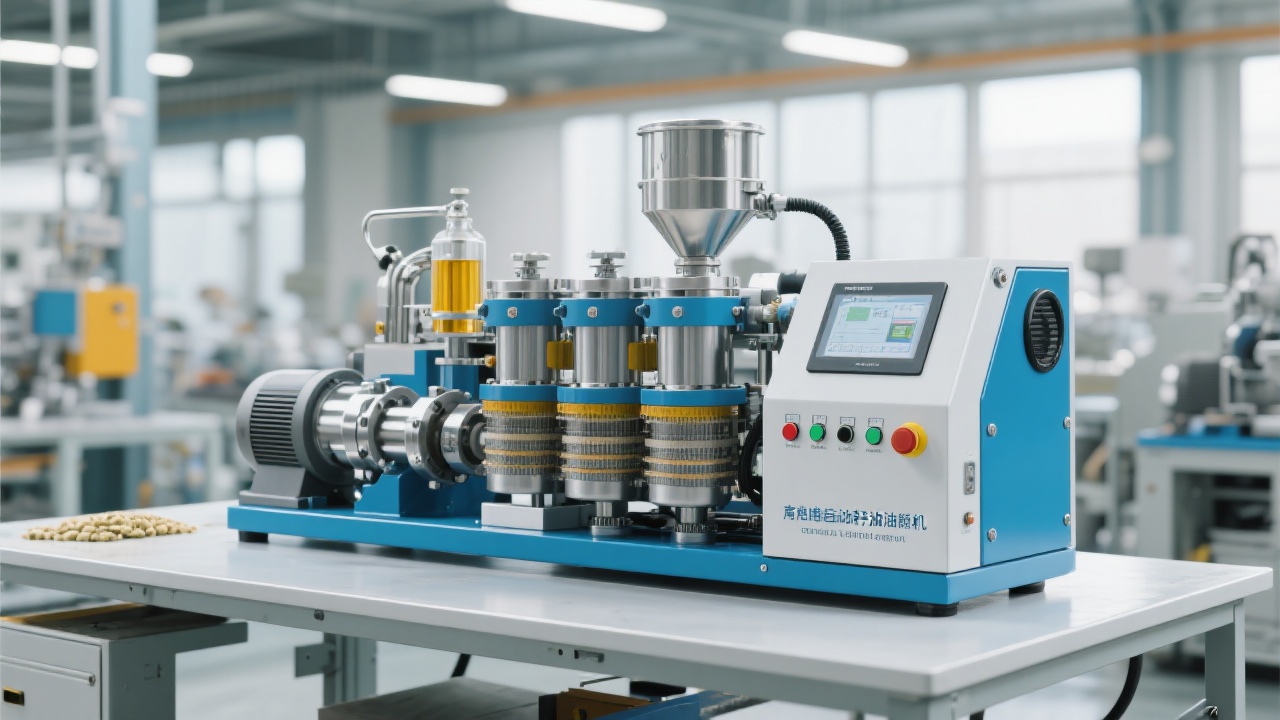
Understanding your filtration demands and operational context can unlock significant quality and efficiency gains. For a deeper dive into technical specifications and optimal deployment strategies, explore our detailed technical manuals and expert guidance.
We invite industry engineers and procurement experts to share and discuss your specific filtration challenges and optimize your oil purification workflow with our proven solutions.
 394
|
394
|
 home oil press low yield
sunflower seed moisture impact
oil press preprocessing steps
oil extraction equipment maintenance
home oil production efficiency
158
|
home sunflower seed oil press
commercial small oil press
sunflower seed oil extraction machine
small farm oil production equipment
oil press maintenance guide
295
|
Sunflower oil press
Household oil press
Commercial sunflower oil extraction
Small oil press selection
Oil press maintenance guide
452
|
sunflower seed oil press
small farm oil press
home榨油机
compact oil extractor
sunflower oil production technology
371
|
home oil press maintenance
sunflower seed oil yield optimization
mechanical oil press troubleshooting
household oil extraction efficiency
press machine cleaning checklist
home oil press low yield
sunflower seed moisture impact
oil press preprocessing steps
oil extraction equipment maintenance
home oil production efficiency
158
|
home sunflower seed oil press
commercial small oil press
sunflower seed oil extraction machine
small farm oil production equipment
oil press maintenance guide
295
|
Sunflower oil press
Household oil press
Commercial sunflower oil extraction
Small oil press selection
Oil press maintenance guide
452
|
sunflower seed oil press
small farm oil press
home榨油机
compact oil extractor
sunflower oil production technology
371
|
home oil press maintenance
sunflower seed oil yield optimization
mechanical oil press troubleshooting
household oil extraction efficiency
press machine cleaning checklist





.png?x-oss-process=image/resize,h_100,m_lfit/format,webp)
.png?x-oss-process=image/resize,h_100,m_lfit/format,webp)
.png?x-oss-process=image/resize,h_100,m_lfit/format,webp)


.jpg?x-oss-process=image/resize,h_800,m_lfit/format,webp)