

In the realm of home - based oil production, the household sunflower seed oil press is a popular choice for many. However, a common headache for users is the low oil yield, even when the equipment seems to be functioning properly. This article delves deep into the common misconceptions behind low oil output, offering practical solutions to boost efficiency and extend the machine's lifespan.
The quality of raw materials plays a crucial role in the oil extraction process. For sunflower seeds, moisture content and freshness are two key factors. Ideally, sunflower seeds should have a moisture content between 8% - 12%. If the moisture is too high, it can lead to poor oil separation and lower extraction rates. For instance, in a case study, when the moisture content of sunflower seeds was above 15%, the oil yield dropped by nearly 10% compared to seeds with optimal moisture levels.
Freshness is equally important. Old or stale seeds may have oxidized oils, reducing the overall oil yield. A simple freshness test can be done by smelling the seeds. Fresh sunflower seeds have a mild, nutty aroma, while rancid seeds emit a sharp, unpleasant odor.

Before the actual pressing, pre - treatment steps are essential. This includes screening the seeds to remove impurities such as dirt, stones, and broken seeds. A well - designed pre - treatment process can increase the oil yield by up to 5%. For example, using a vibrating screen can effectively separate large and small impurities, ensuring that only clean sunflower seeds enter the press.
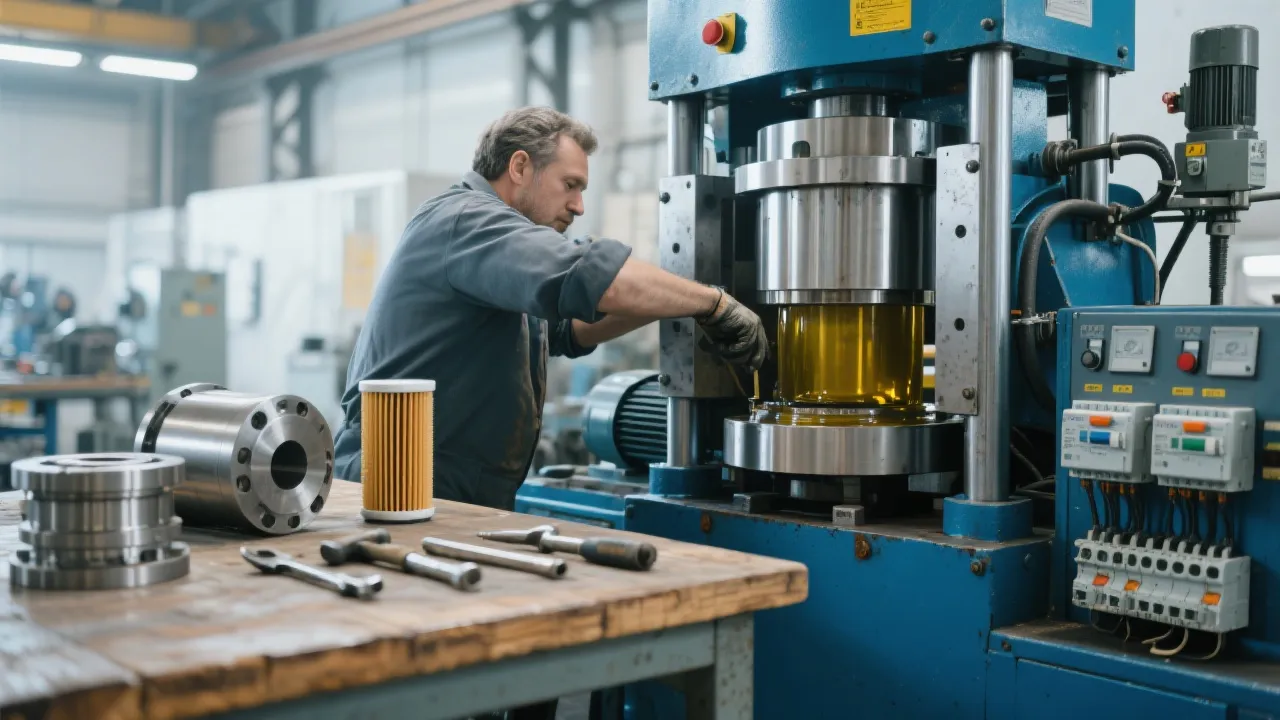
The condition of the oil press is another major factor affecting oil yield. Regular cleaning is vital to prevent the accumulation of oil residues and debris, which can clog the machine and reduce its efficiency. A dirty press may have a 15% lower oil yield compared to a clean one.
Sealing is also crucial. A poor seal can cause oil leakage during the pressing process. Checking the seals regularly and replacing them when worn can significantly improve the oil extraction rate. In addition, mechanical wear and tear over time can affect the press's performance. Components such as the screw shaft should be inspected for wear, and replaced if necessary.
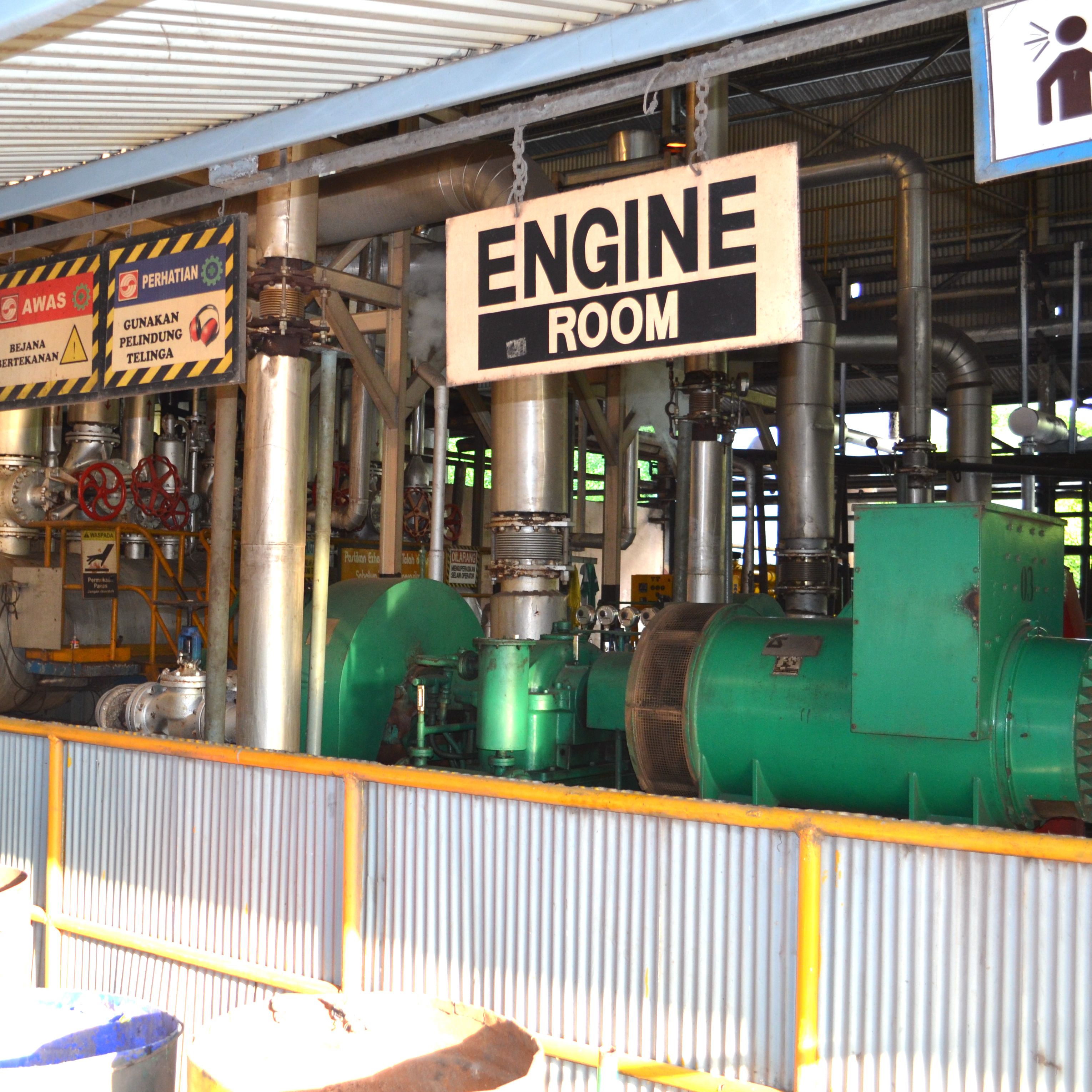
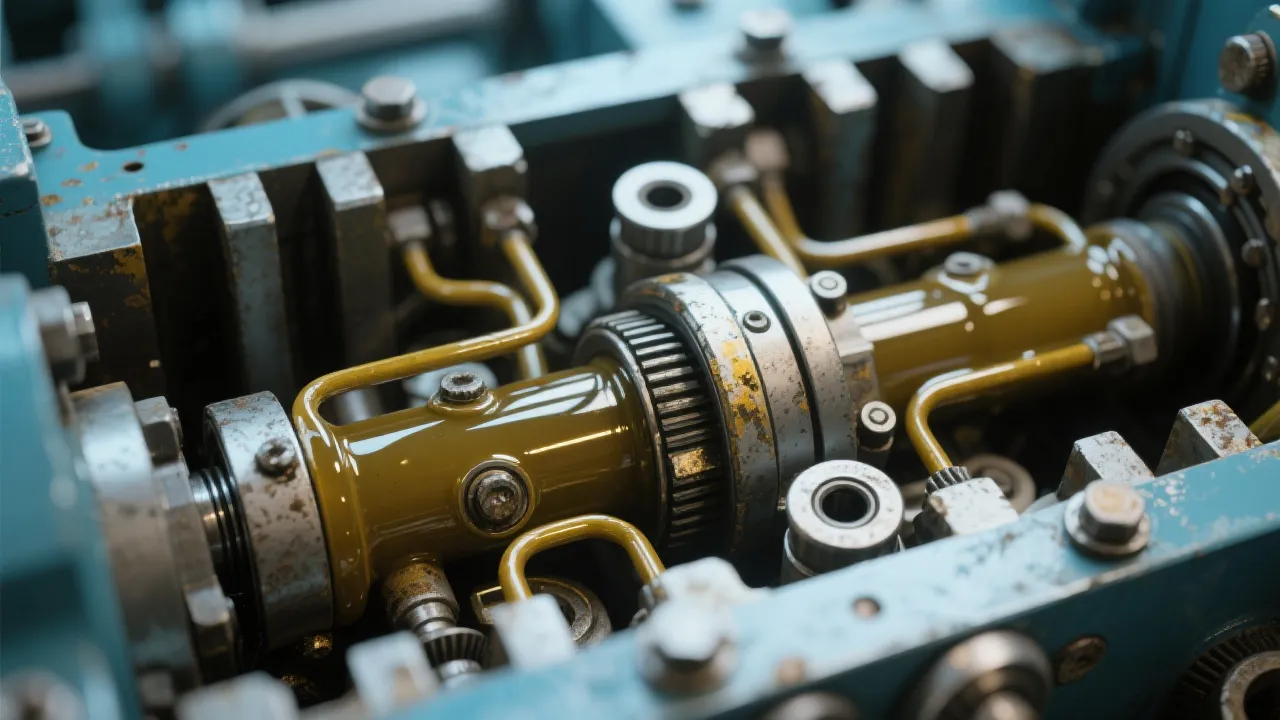
Proper maintenance can extend the life of the press and maintain high oil yields. This includes lubricating moving parts regularly, tightening loose bolts, and checking the electrical connections. A well - maintained press can operate efficiently for up to 5 - 7 years, while a neglected one may break down within 2 - 3 years.
It's important to note that all aspects of the production chain, from raw material management to equipment maintenance, are interrelated. A problem in one area can have a cascading effect on the entire process. For example, if the raw materials are not properly pre - treated, it can cause more wear and tear on the press, leading to lower oil yields over time.
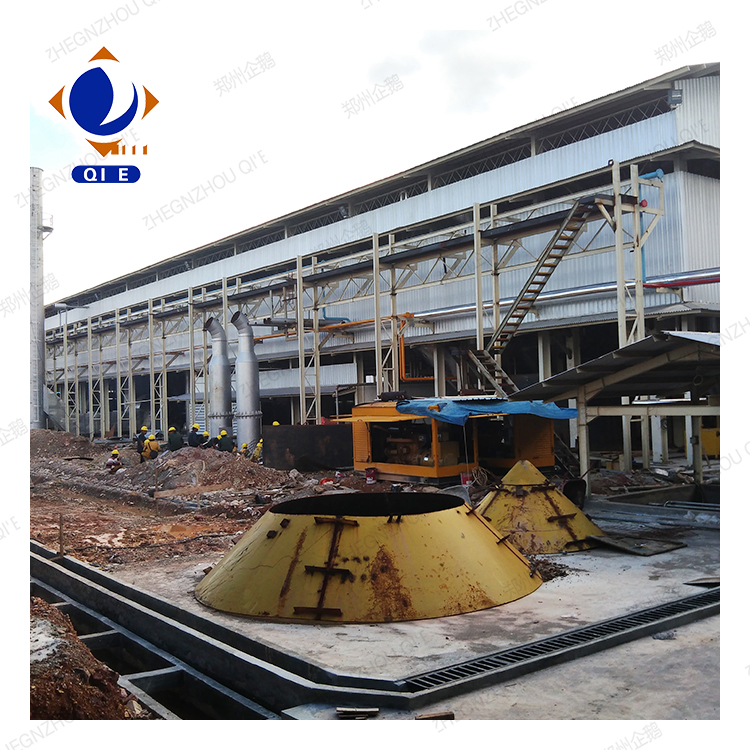
By implementing a comprehensive production chain management system, users can achieve a stable output of high - quality sunflower oil. A scientific checklist can be used to ensure that all steps are carried out correctly, and regular audits can help identify and correct any potential issues.
If you're looking to invest in a reliable and efficient home - use sunflower seed oil press, our professional pre - sales consulting service is here to help. We can assist you in selecting the most suitable equipment for your needs, ensuring that your investment pays off. Don't miss out on the opportunity to enjoy high - quality, homemade sunflower oil. Click here to consult our experts now!
 374
|
374
|
 Sunflower seed oil yield improvement techniques
Household oil press usage guide
Small oil press oil yield optimization
Mechanical pressing technology
Sunflower oil extraction machine operation
336
|
small sunflower seed oil press machine
home oil press for sunflower seeds
commercial oil extraction equipment
sunflower oil production guide
small scale oil pressing machine
375
|
sunflower oil extractor
small - scale grain and oil processing
high - oil - yield equipment
low - energy - consumption oil press
compact pressing equipment
425
|
Small sunflower oil press
Household oil press recommendation
Commercial oil press equipment selection
Small - scale grain and oil processing solutions
Sunflower oil extraction machine
160
|
Small sunflower oil presses
Household sunflower oil presses
Commercial sunflower oil presses
Oil press selection guide
Small farm oil press equipment
Sunflower seed oil yield improvement techniques
Household oil press usage guide
Small oil press oil yield optimization
Mechanical pressing technology
Sunflower oil extraction machine operation
336
|
small sunflower seed oil press machine
home oil press for sunflower seeds
commercial oil extraction equipment
sunflower oil production guide
small scale oil pressing machine
375
|
sunflower oil extractor
small - scale grain and oil processing
high - oil - yield equipment
low - energy - consumption oil press
compact pressing equipment
425
|
Small sunflower oil press
Household oil press recommendation
Commercial oil press equipment selection
Small - scale grain and oil processing solutions
Sunflower oil extraction machine
160
|
Small sunflower oil presses
Household sunflower oil presses
Commercial sunflower oil presses
Oil press selection guide
Small farm oil press equipment




.png?x-oss-process=image/resize,h_100,m_lfit/format,webp)
.png?x-oss-process=image/resize,h_100,m_lfit/format,webp)
.png?x-oss-process=image/resize,h_100,m_lfit/format,webp)


.jpg?x-oss-process=image/resize,h_800,m_lfit/format,webp)
