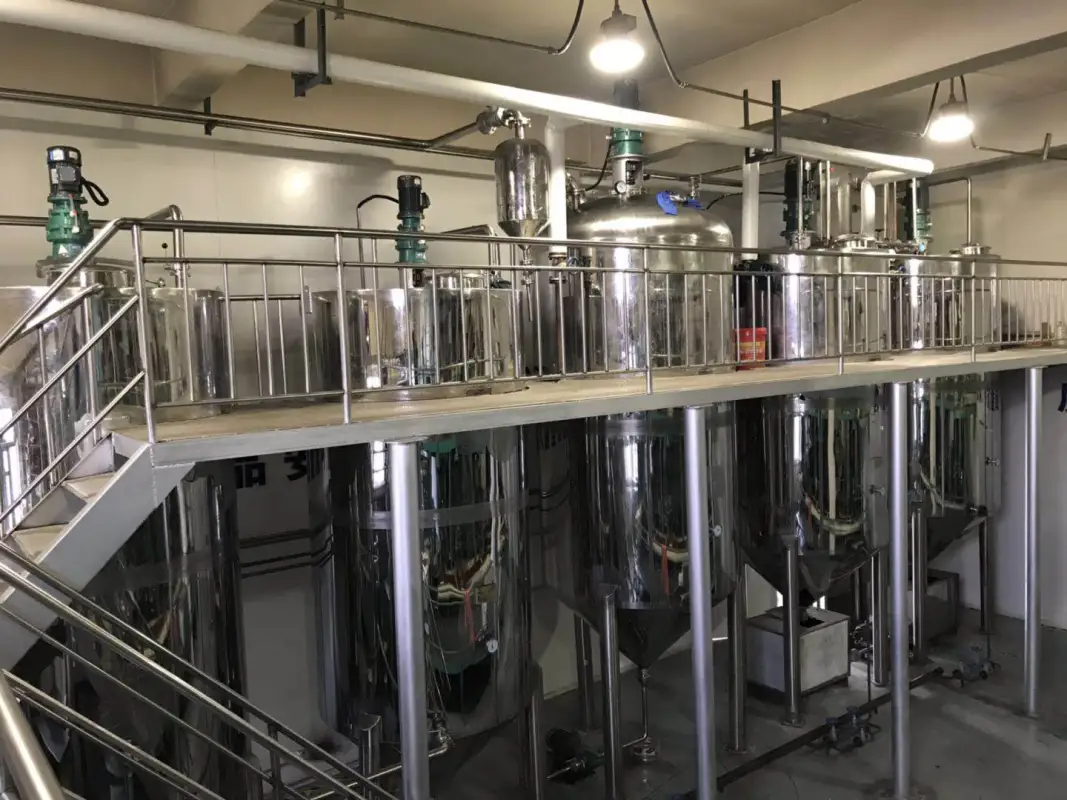
Are you frustrated with low oil output from your home cold press oil expeller? Don't rush to blame the equipment! In this article, we'll delve into the five key aspects that affect oil output, including raw material moisture content, pre - treatment cleanliness, equipment sealing, operating conditions, and daily maintenance. Let's optimize your operation habits and increase oil production efficiency.
The quality of raw materials is the first step in determining oil output. For example, when it comes to sunflower seeds, moisture content and freshness are crucial.
If the moisture content of sunflower seeds is too high, it can lead to reduced oil output. A general rule of thumb is that the moisture content of sunflower seeds should be around 8 - 10%. You can use a moisture meter to check. In a failed case, a user had a moisture content of 15% in sunflower seeds, and the oil output was 20% lower compared to when the moisture content was within the normal range. To solve this, you can dry the seeds in a well - ventilated area for a few days until the moisture content is appropriate.
Fresh raw materials contain more oil. Old or stale sunflower seeds may have already lost some of their oil due to oxidation. Try to use freshly harvested sunflower seeds for better results. In a successful case, a user who used freshly harvested sunflower seeds saw a 15% increase in oil output compared to using seeds that had been stored for a long time.
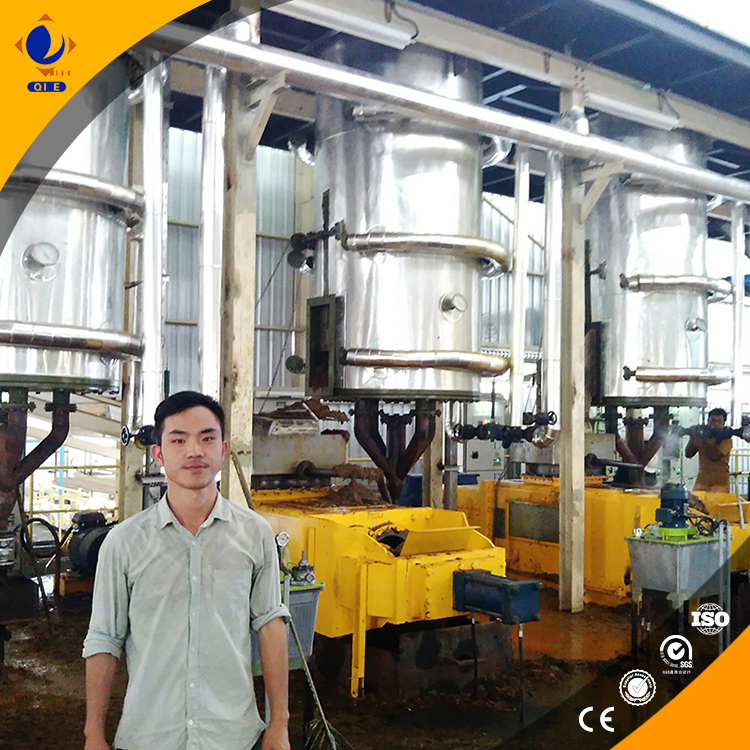
Proper pre - treatment can significantly improve oil output. One of the most important pre - treatment steps is screening to remove impurities.
Impurities such as dirt, stones, and broken seeds can affect the pressing process and reduce oil output. Use a sieve with appropriate mesh size to screen the sunflower seeds. In a failed case, a user didn't screen the seeds, and the impurities clogged the machine, resulting in a 25% drop in oil output. By screening the seeds, you can ensure a smoother pressing process and increase oil output.
The operating conditions of the equipment, including cleanliness and sealing, have a direct impact on oil output.
A dirty machine can lead to blockages and reduced oil flow. Regularly clean the machine after each use. In a failed case, a user didn't clean the machine for several uses, and the oil output decreased by 30%. You can use a soft brush and mild detergent to clean the parts. Make sure to dry the parts thoroughly before the next use.
Poor sealing can cause oil leakage during the pressing process. Check the seals regularly and replace them if they are worn out. In a successful case, a user replaced the worn - out seals and saw a 20% increase in oil output.
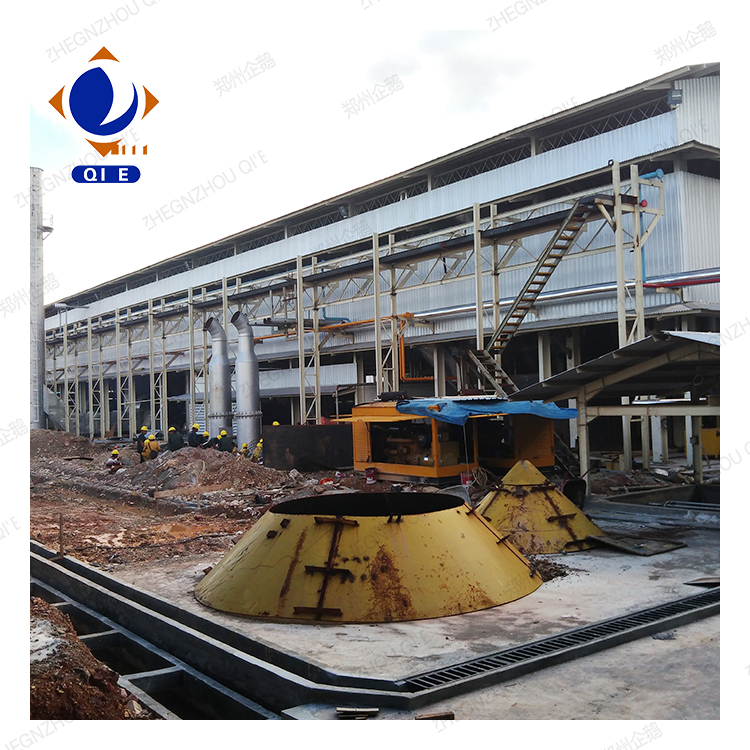
Regular maintenance can not only increase oil output but also extend the life of the machine.
Lubricate the moving parts of the machine according to the manufacturer's instructions. This can reduce friction and ensure smooth operation. In a failed case, a user didn't lubricate the machine for a long time, and the oil output gradually decreased. After proper lubrication, the oil output returned to normal.
Regularly inspect the machine for any signs of wear or damage. Replace any damaged parts immediately. This can prevent more serious problems and maintain oil output.
The pressing pressure is directly related to oil output. A proper pressing pressure can break the cell walls of the seeds and release more oil. However, if the pressure is too high, it may damage the machine. The ideal pressing pressure for most home cold press oil expellers is between 30 - 50 MPa. By adjusting the pressure according to the type of raw materials, you can optimize oil output.
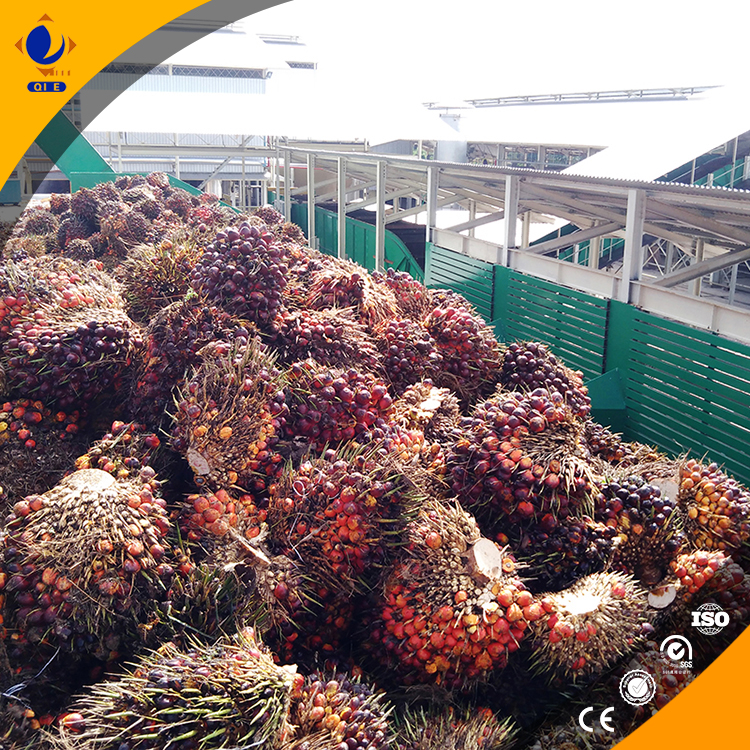
Our Penguin Group's home cold press oil expellers are designed with a compact structure, easy - to - clean features, and meet ISO standards. By following the above steps and using our high - quality equipment, you can increase oil production efficiency by more than 30% and extend the machine's life.
Get a free consultation on optimizing your home cold press oil expeller now!
 222
|
222
|
 sunflower seed oil press
small farm oil processing
compact oil extraction machine
high yield oil press
grain and oil processing solutions
273
|
home oil press efficiency
sunflower seed oil extraction
small-scale oil pressing system
oil press troubleshooting checklist
family kitchen oil press maintenance
151
|
sunflower seed oil pressing techniques
cold pressed sunflower oil
hot pressed sunflower oil
oil yield optimization
nutrient retention in vegetable oils
495
|
Sunflower seed oil yield improvement techniques
Household oil press usage guide
How to increase oil yield of small oil presses
Mechanical pressing vs chemical extraction
Household grain and oil processing practices
59
|
compact sunflower seed oil press
small farm oil processing
high yield low energy oil extractor
home use oil press machine
green edible oil production
sunflower seed oil press
small farm oil processing
compact oil extraction machine
high yield oil press
grain and oil processing solutions
273
|
home oil press efficiency
sunflower seed oil extraction
small-scale oil pressing system
oil press troubleshooting checklist
family kitchen oil press maintenance
151
|
sunflower seed oil pressing techniques
cold pressed sunflower oil
hot pressed sunflower oil
oil yield optimization
nutrient retention in vegetable oils
495
|
Sunflower seed oil yield improvement techniques
Household oil press usage guide
How to increase oil yield of small oil presses
Mechanical pressing vs chemical extraction
Household grain and oil processing practices
59
|
compact sunflower seed oil press
small farm oil processing
high yield low energy oil extractor
home use oil press machine
green edible oil production


.png?x-oss-process=image/resize,h_100,m_lfit/format,webp)
.png?x-oss-process=image/resize,h_100,m_lfit/format,webp)
.png?x-oss-process=image/resize,h_100,m_lfit/format,webp)
.jpg?x-oss-process=image/resize,h_800,m_lfit/format,webp)


.jpg?x-oss-process=image/resize,h_800,m_lfit/format,webp)